UX CASE STUDY · GOVTECH · 2021 - 2024
Cutting court audio handling time 30% for staff who get pulled away mid-task.
A desktop hub that let Supreme Court staff process audio requests without losing their place when a courtroom called them away. It cut overall handling time about 30% and won the 2024 Client Services Excellence Award.
I was a court clerk on the In-Court Technology team, not a hired designer. I built this because I lived the problem daily and nobody else was going to fix it.
The Problem vs. The Solution
Live court always took priority. Staff processing audio requests at their desks were constantly pulled into courtrooms, and the multi-tool process meant every interruption threw the work away.
Requests died on interruption
The existing process for retrieving audio, editing log notes, and filtering files was slow, manual, and spread across multiple tools.
One hub that survives interruptions
A desktop app that kept requests processing while staff were away, and collapsed the multi-tool workflow into one place.
The Impact
Measured against how the work actually happened before, across three shipped versions.
Request handling time
Key Design Decisions
Three calls that shaped the tool, each made against a real constraint rather than a preference.
No feature shipped unless it cut the task by roughly half the clicks.
Anything under 10% would not justify asking staff to stop everything and relearn a system they already knew. The bar kept the tool honest.
Everything ran on local machines with open-source libraries. No cloud, no third-party data sharing.
Court data is sensitive and policy review kills projects. Staying local removed the security question entirely.
V2 pulled transcript orders from the court's internal web service. I removed it.
The internal service was being updated and the integration would have broken in production. Reliability beat features.
The Same Request, Both Ways
Every step a clerk walked through under the old process, against the hub. The old side is also where a courtroom interruption meant starting over.
- 01Open the request and note the file number
- 02Locate the hearing audio in the recording system
- 03Export the proprietary audio files
- 04Open the court log notes as an HTML table
- 05Manually isolate the file's rows in an editor like Paint
- 06Rebuild a clean log note from the fragments
- 07Prepare and stage the files for export
- 08Assemble the request package by hand
- 09If a courtroom calls, abandon everything and restart later
- 01Type the file number into the hub
- 02Review the auto-filtered log note and staged audio
- 03Export the complete package in one click
- Open the request and note the file number
- Locate the hearing audio in the recording system
- Export the proprietary audio files
- Open the court log notes as an HTML table
- Manually isolate the file's rows in an editor like Paint
- Rebuild a clean log note from the fragments
- Prepare and stage the files for export
- Assemble the request package by hand
- If a courtroom calls, abandon everything and restart later
- Type the file number into the hub
- Review the auto-filtered log note and staged audio
- Export the complete package in one click
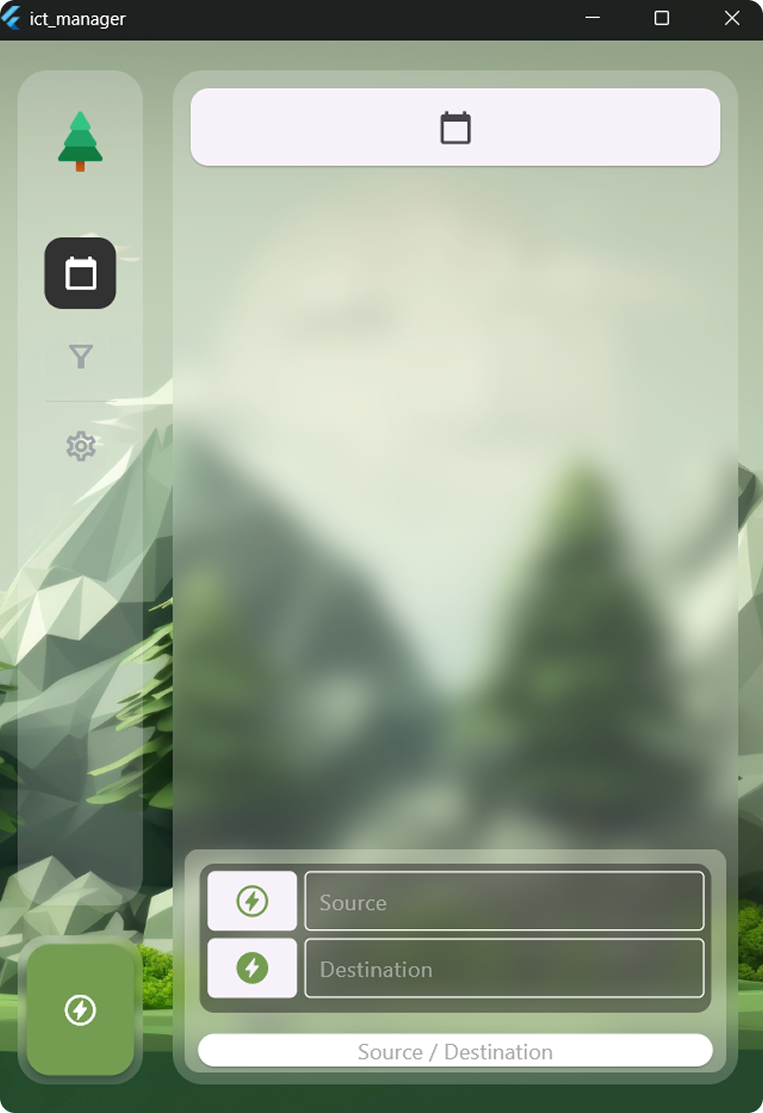
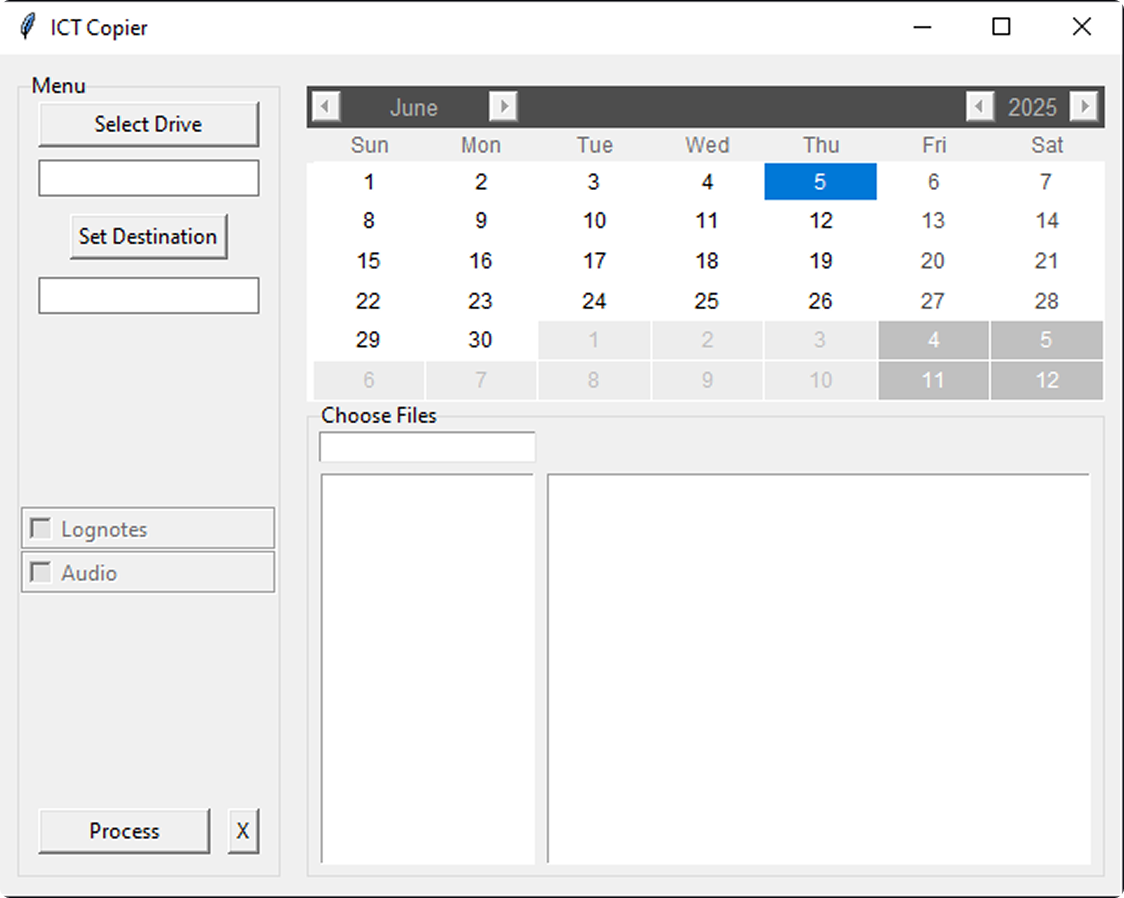
The Agile Evolution
Twelve months of iteration condensed into one viewport: from MS Paint sketches to a shipped Flutter application, across three versions tested with the clerks who used them.
Three years between these two screens
Drag the handle. The Tkinter MVP that proved the idea against the Flutter hub that won the award.
Recognition
The 2024 Client Services Excellence Award, and the nomination that came with it.
The tool people opened without being told to
The best signal was not the award. It was walking past desks in the morning and seeing the app already open, unprompted. Later, at BrainStation, I found out the things I had been doing by instinct, shadowing users, setting adoption bars, testing with real clerks, were already the UX methodology. This project is why I trust adoption over praise as the measure of whether a design works.
Let's build something impactful.
I'm currently open to new opportunities in UX/UI Design, Product Design, and GovTech transformation roles.